THE WORLD ALIVE ARCADE
A planet. Full of surprises.
Two places. Which has more people? Trust your instinct, then check the answer.
Play Bigger? Today's 10 roundsNo account. Three lives. Real data.
Which has more people?
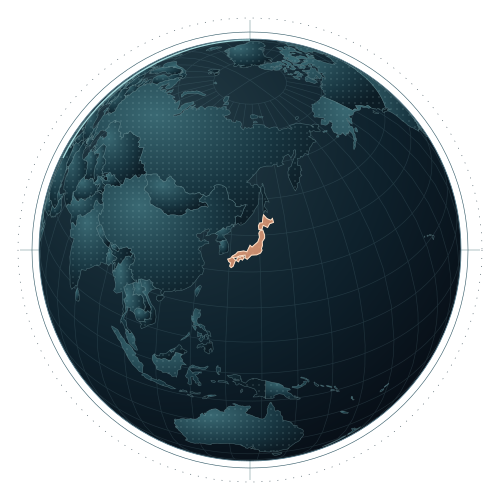
Japan
123,366,734people · World Bank 2025
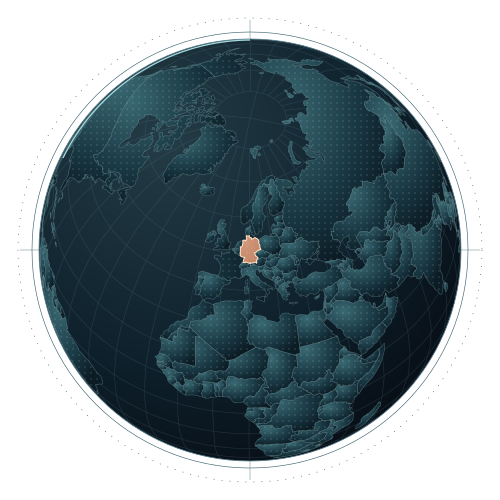
Germany
?More or fewer people?
Choose your next move.
THREE WAYS INA fresh ten.
Ten rounds. The same daily set for everyone in the selected category. Return tomorrow for another.
Take the daily challenge →02 / HUMANITY QUIZQuestion your world.
Population, geography and the answers you didn't expect. Solo or with friends.
Open the quiz →03 / PERSONALYour year. Your lens.
A sixty-second exploration of the world around your birth year. Nothing to type except a year.
Find your world →Before you play · definitions, sources & all experiences
A short challenge is a starting point for learning, not a test of your intelligence.
Bigger? · population intuition
Choose which place has the larger population. The game uses the site's dataset, not a live census. Administrative settlements and urban areas can have different boundaries, so a surprising answer is an invitation to inspect the definition—not proof of a universal city ranking.
Play Bigger? · Why city boundaries change an answer
Daily challenge · one small habit
The date seeds a daily round set. Scores are stored in your browser; clearing site data can remove them. This is not a global leaderboard and we do not invent other players' results.
Open the game and choose Daily
Humanity quiz · question the obvious answer
Explore population and geography. Check the explanation before moving on. A displayed data year matters, especially for growth, life expectancy and fertility; familiar assumptions can be out of date.
Open the quiz · Learn to read a ranking
Your World in 60 Seconds
One birth year and optional countries place public events alongside population context. Reactions determine a playful interest summary and suggested next discovery. Countries are chosen context—not a basis for inferring personality, ethnicity or personal history. The result is not a validated psychological assessment.
Watch · a moving map, not a news feed
The camera cycles through sourced place records and modeled counters. New movement on screen does not mean new demographic observations have been published. You can pause, skip or take control of the map; reduced-motion settings are respected where supported.
Scores stay in this browser. Annual estimates are not a live census. Why city boundaries matter →