02 / THE COMPARISON DESK
Every place.
A different perspective.
Put two places side by side. See what changes—and what a population number cannot tell you.
What you can compare · sources & definitions
Put any two of the 217 countries — or any two cities from the live map — side by side: population, growth rate, births and deaths per 1,000, fertility, life expectancy, age structure, density, area, urbanisation, migration and GDP per capita, each with its data year, plus both population histories since 1960 (absolute and indexed) and a plain-language verdict that says which population base is higher, which national growth rate is higher, and when the lower population would overtake the higher in a constant-rate model from a shared base year, and which society is older, denser, longer-lived or richer. Higher values are highlighted as higher, not better. City comparisons label each population basis, source, reference date and growth method. Province, UN urban-centre and GeoNames settlement records are not interchangeable; no comparable global city rank is implied.
Choose your places
vs
Pick any two. The result renders instantly from the same live data as the map, and the URL updates so you can share it.
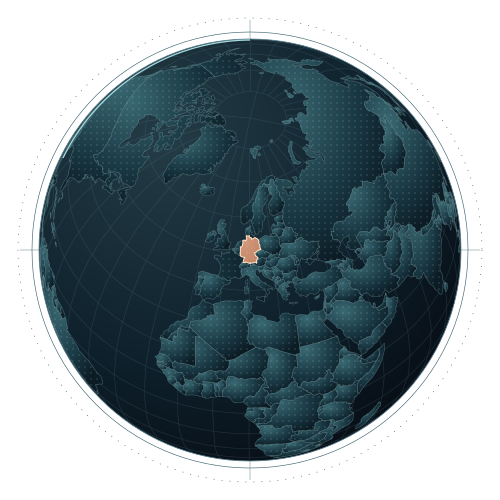
Germany
83,491,249World Bank · 2025 annual estimatePopular comparisons
 United States vs
 China
 India vs China
- United States vs India
- United States vs
 Russia
 United Kingdom vs
 France
 Germany vs
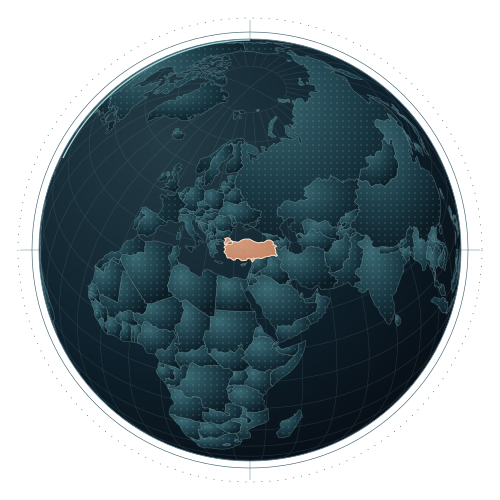
 Türkiye
 Brazil vs
 Mexico
 Japan vs
 South Korea
 Nigeria vs
 Ethiopia
 Pakistan vs
 Bangladesh
- Türkiye vs
 Iran
 Slovakia vs
 Czechia
1,046 country pairs have a permanent page (rank neighbours, the 30 highest country population records against each other, regional leaders). Every other pair works in the tool above.
What changed during your lifetime?
Turn these figures into a private, five-scene personal world story.
Compare like with like
This page is a structured reference entry. Its sources, geographic definition and reference dates determine what the figures mean; it is not independent reporting about the causes of change. Read the accompanying explanation before comparing different places or vintages.